


Can Karate Help Anxiety? A Stronger Way Forward
A child who walks into class quietly, avoids eye contact, and worries about making a mistake is not “just shy.” A woman who feels tense in a parking lot or overwhelmed after a long day is not weak. Anxiety can make everyday moments feel bigger, louder, and harder to manage. So, can karate help anxiety? For many children, women, and families, it can become a steady, practical part of building calm, confidence, and a stronger sense of control.
Karate is not a replacement for mental health care, medication, or support from a licensed professional when those are needed. But it can give people something anxiety often takes away: a healthy routine, a supportive community, physical release, and proof that they can handle difficult moments one step at a time.
Can Karate Help Anxiety by Building a Sense of Control?
Anxiety often thrives on uncertainty. A person may worry about what could happen at school, at work, in a social situation, or while walking alone. Karate training cannot remove every stressful situation, but it teaches a powerful response: pause, pay attention, make a choice, and act with purpose.
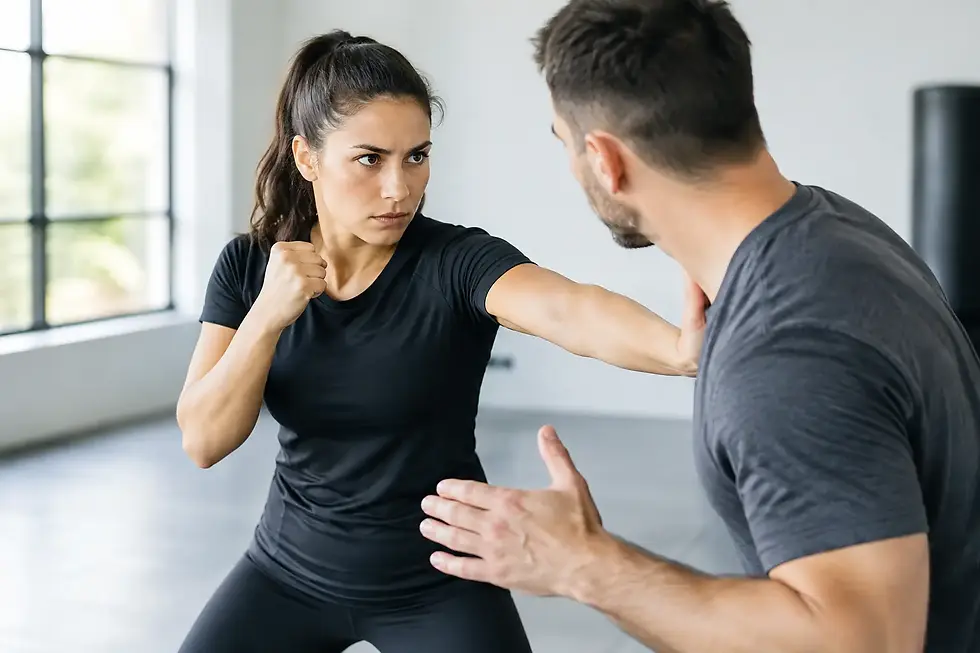
In class, students practice clear movements, steady stances, breathing, and awareness of their surroundings. They learn that their body can be strong and responsive. For someone who feels powerless or constantly on edge, that experience matters. The goal is not to become aggressive. Traditional karate teaches self-control, respect, and the confidence to protect personal boundaries without losing composure.
This is especially meaningful for women who want practical self-defense skills. Knowing how to stand with confidence, use their voice, recognize unsafe situations, and respond if necessary can reduce some of the fear that follows them through daily life. The greatest benefit is often not the move itself. It is the feeling of being more prepared.
For children, the lesson may look different but carries the same power. A student learns to listen, follow through, and keep trying after a missed step. Over time, they begin to understand, “I can do hard things.” That belief can travel with them into the classroom, onto the playground, and into moments of peer pressure.
Movement Gives Stress Somewhere to Go
Anxiety is not only a thought pattern. It can show up in the body as a racing heart, tight shoulders, shallow breathing, restlessness, stomach discomfort, or trouble sleeping. Sitting with all that energy can feel exhausting.
Karate gives the body a constructive outlet. Kicking pads, practicing forms, working on balance, and moving through drills require concentration and effort. Students are not expected to be perfect or athletic before they begin. They build coordination, conditioning, and strength over time.
Physical activity can help people feel more grounded because it brings attention back to the present moment. During class, there is a stance to hold, an instructor to watch, a sequence to remember, and a partner to respect. That does not erase anxious thoughts forever, but it can interrupt the cycle of spiraling and create a needed reset.
The structure of class also helps. At a generic gym, it can be easy to feel lost, self-conscious, or unsure what to do next. In a dojo, students have a clear path. They warm up, train, learn, practice, and improve. Small wins become visible. A stronger stance, a remembered sequence, or the courage to try a new drill can be a real confidence builder.
The Discipline of Karate Can Create Calmer Habits
Anxiety can make routines difficult. Some people avoid new experiences because they are afraid of failure. Others feel pulled in too many directions and struggle to focus. Karate offers regular practice without demanding perfection.
Students learn that progress comes from showing up. They repeat a skill, receive encouragement and correction, and try again. That process builds patience. It also teaches that discomfort is not always danger. Sometimes it is simply the feeling of learning something new.
For kids, this can support better focus and emotional regulation. Karate asks children to wait their turn, listen closely, use respectful words, and channel big energy into disciplined movement. Those skills are useful far beyond the dojo. A child who learns to pause before reacting may be better equipped to handle frustration at home or conflict with friends.
For adults, scheduled training can become protected time. It is an hour where the phone is less important, responsibilities can wait, and attention returns to the body and the task in front of them. That kind of routine is not a cure for anxiety, but it can be a healthy anchor during demanding seasons.
Confidence Is Different From Never Feeling Nervous
One of the most harmful myths about confidence is that confident people never feel afraid. The truth is that courage often means moving forward while nerves are still present.
Karate gives students safe opportunities to practice that courage. A beginner may feel nervous walking into their first class. A child may worry about being watched. An adult may wonder whether they are fit enough, coordinated enough, or too old to start. Each class offers a chance to meet that nervousness with action instead of avoidance.
The confidence that grows from training is earned. It comes from learning a skill, practicing through frustration, and seeing improvement. That is more lasting than empty praise. Students begin to carry themselves differently because they know they have put in the work.
At The Blazing Dragon Karate Dojo, the goal is to build children’s strength from the inside first while giving women and families a place to train with dignity, encouragement, and purpose. In an affirming, family-centered environment, students do not have to prove that they belong before they begin. They are given room to grow.
Connection Can Ease the Isolation of Anxiety
Anxiety often tells people to pull away. A child may avoid activities because they fear embarrassment. An adult may skip exercise, social events, or new experiences because it feels easier to stay home. Avoidance can bring short-term relief, but it can also make the world feel smaller.
A welcoming karate class offers connection with boundaries and structure. Students train alongside people working toward their own goals. They learn respect for partners, celebrate progress, and discover that everyone starts somewhere.
For families, training together can be especially meaningful. Instead of each person managing stress alone, parents and children can share a positive challenge. They can encourage one another, practice at home, and talk about discipline, safety, and confidence in a natural way. Where families rise together, they create more than a fitness habit. They create a shared language for resilience.
That said, the right environment matters. A high-pressure class that focuses only on competition or humiliation can make anxiety worse for some people. Look for instruction that is firm but supportive, beginner-friendly, and grounded in respect. Students should feel challenged, never belittled.
How to Start Karate When Anxiety Makes New Things Hard
Starting can be the hardest part. The first visit may bring nerves, especially for someone who has had negative experiences in sports, school, or group settings. Make the first step small. Attend an introductory class, observe the space, ask questions, and let the instructor know if you or your child feels anxious about joining.
Wear comfortable clothes, arrive a few minutes early, and give yourself permission to be a beginner. You do not need to know the terminology, own a uniform, or be in peak shape. A good instructor will teach from the beginning and offer ways to participate at a comfortable pace.
It also helps to set a realistic goal. Rather than expecting anxiety to disappear after one class, aim to attend consistently for a few weeks. Notice the smaller changes: sleeping a little better after activity, standing taller, feeling less intimidated by a new challenge, or having one more positive conversation with a classmate.
If anxiety is severe, causes panic attacks, affects school or work, or makes daily life feel unmanageable, karate can still be supportive, but it should be part of a wider care plan. A doctor, therapist, school counselor, or other qualified mental health professional can help determine what support is appropriate. Strength includes knowing when to ask for help.
The first confident step rarely feels dramatic. It may simply be walking through the door, taking a breath, and deciding that anxiety does not get to make every decision. With patient instruction, steady practice, and a community that sees your potential, that one step can become a stronger way to move through life.


Comments