


Is Self Defense Safe? Training Makes the Difference
A child who feels unsure walking into school, a woman heading to her car after work, and a parent thinking about family safety may all ask the same question: is self defense safe? The honest answer is yes, when it is taught with responsibility, sound judgment, and a clear goal of getting home safely. Self-defense should never be about looking for a fight. It is about building awareness, confidence, boundaries, and the ability to respond when someone else creates a dangerous situation.
At its best, martial arts training helps people become harder to intimidate without making them aggressive. That difference matters. Real confidence is calm. It helps children stand taller around peer pressure, helps women trust their voices and instincts, and helps families make safety-minded choices together.
Is Self Defense Safe When You Train Responsibly?
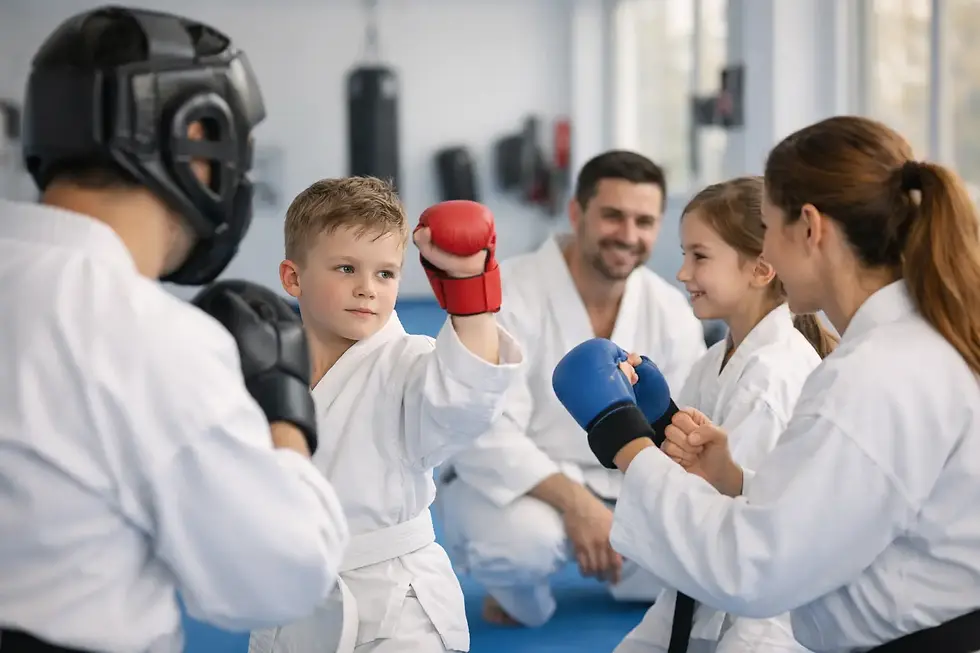
Self-defense training has physical risks, just like any active practice. A person can strain a muscle, fall incorrectly, or get hurt during uncontrolled partner drills. But a well-run class manages those risks through qualified instruction, clear rules, warmups, age-appropriate practice, and a culture where students respect one another.
Safety begins before anyone learns a technique. Students should be taught how to move with control, communicate with a partner, listen when an instructor says stop, and ask for help when something does not feel right. Beginners do not need to be thrown into high-pressure scenarios on day one. They need time to learn balance, posture, distance, and calm decision-making.
For children, this approach is especially valuable. Kids are still developing coordination, emotional regulation, and confidence in their own bodies. Responsible training does not reward roughness or make toughness the goal. It teaches them that strength includes self-control, respect, and knowing when to walk away.
The Safest Self-Defense Choice Is Often Avoidance
Many people picture self-defense as a physical response, but the most effective safety skills often happen earlier. Paying attention to surroundings, keeping personal space, trusting discomfort, setting a clear verbal boundary, and leaving a situation before it escalates are all forms of self-defense.
That is why good training includes more than punches, blocks, or escapes. It should teach students to recognize risky behavior, use a strong voice, and understand that they do not owe strangers politeness at the expense of their safety. A child can practice saying, “No. Stop. I need help.” A woman can rehearse direct language and confident body positioning. Families can discuss where to meet, who to call, and how to check in when plans change.
Avoidance is not weakness. Choosing distance over conflict takes awareness and discipline. The goal is not to prove who is stronger. The goal is to reduce danger and get to safety.
Why Training Can Be Safer Than Trying to “Figure It Out”
Without training, people often rely on movie scenes, internet clips, or advice from friends. That can create a false sense of security. Real situations are unpredictable. Stress affects balance, coordination, memory, and decision-making. A technique that looks easy when demonstrated slowly may be difficult if someone is scared, tired, surprised, or trying to protect a child.
Structured practice gives students a safer place to learn what their bodies can do. They can build coordination gradually, practice simple movements repeatedly, and learn how to stay focused under manageable pressure. They also learn their limits. That humility is a safety skill, because overconfidence can put people at greater risk.
A quality instructor does not promise that one class will make someone unstoppable. No program can guarantee a particular outcome in every situation. Instead, responsible self-defense education prepares students to make better choices, use practical skills when necessary, and seek help as quickly as possible.
What Safe Self-Defense Classes Should Feel Like
A safe class should feel challenging, but not chaotic or humiliating. Students should be encouraged to grow at their own pace, whether they are young children, busy parents, women returning to fitness, or adults with no previous martial arts experience.
Look for instruction that emphasizes consent and communication during partner work. Students should know they can say when a grip is too tight, a drill needs to slow down, or they need a break. Instructors should closely supervise contact, separate unsafe behavior immediately, and create expectations that apply to everyone in the room.
The environment matters just as much as the curriculum. A student is more likely to learn useful skills when they feel respected rather than embarrassed. Fear-based teaching may make someone comply in the moment, but it does not build lasting confidence. Encouragement, accountability, and repetition do.
At The Blazing Dragon Karate Dojo, the purpose of training is bigger than winning a drill. It is about building children’s strength from the inside first, helping women empower themselves, and giving families a place where they can rise together.
Signs of a Healthy Training Environment
Parents and adult beginners should feel comfortable asking how safety is handled. A thoughtful school will welcome those questions. It should be able to explain how classes are grouped by age and ability, how physical contact is supervised, and how instructors address bullying, disrespect, or reckless behavior.
Watch a class if you can. Notice whether students are attentive and whether corrections are calm and specific. Do instructors praise effort and control, not just speed or power? Are children learning to be respectful partners? Does the room feel organized, welcoming, and focused? Those details reveal a great deal about the kind of habits students will build.
Self-Defense and the Law: Use Only What Is Necessary
Another part of the question, “Is self defense safe?” involves legal and personal consequences. Physical force can cause injury, escalate a conflict, or lead to serious misunderstandings. Laws differ by state and situation, but the basic principle is simple: use force only when it is necessary to protect yourself or another person from an immediate threat, and use no more force than needed to escape danger.
That is one reason self-defense should be rooted in judgment, not anger. A disagreement, insult, or online argument is not a reason to become physical. Students should understand that leaving, finding a trusted adult, calling for help, or contacting emergency services can be the strongest response.
For young people, this lesson carries into school hallways, playgrounds, and group chats. Karate can help a child feel less powerless, but it should also teach them to report threats, avoid retaliation, and ask adults for support. Confidence and accountability belong together.
Building Confidence Without Creating Fear
Some people worry that self-defense classes will make their child anxious or make them constantly expect danger. The right program does the opposite. It gives students language, boundaries, and practical habits so that they feel more prepared in everyday life.
Training also creates confidence that reaches far beyond personal safety. A child who learns to stay focused through a difficult drill may find it easier to concentrate at school. A woman who practices speaking firmly may feel more comfortable setting boundaries at work or in social settings. A family that trains together gains shared routines, encouragement, and a healthy way to manage stress.
The key is balance. Safety education should be honest about risks without making the world seem hopeless. Most daily interactions are ordinary and safe. The purpose of self-defense is not to live in fear. It is to move through life with awareness, dignity, and the confidence to act if a situation truly requires it.
A Safer Way to Begin
If you or your child is new to martial arts, begin slowly. Wear comfortable clothes, share any injuries or health concerns with the instructor, and focus on learning rather than performing perfectly. Give yourself permission to be a beginner. Consistent practice builds much more than a single intense lesson ever can.
Ask questions, listen to your body, and choose a school that treats safety as part of character development. The right class will challenge you while reminding you that your voice matters, your boundaries matter, and your well-being matters.
Self-defense is safest when it helps you avoid harm, stay grounded under pressure, and remember that your greatest strength is not the ability to fight. It is the confidence to protect your peace, seek support, and keep moving toward a safer life for yourself and the people you love.


Comments