


Parent Guide Martial Arts: Choosing a Class
A child who walks into class quietly, avoids eye contact, or feels unsure around new people does not need someone to tell them to “be confident.” They need repeated chances to practice courage in a safe place. This parent guide martial arts is for families looking beyond a busy after-school activity and toward a class that helps children grow stronger from the inside first.
The right martial arts school can teach physical skills, yes. It can also become a steady place where your child learns to listen, speak with respect, recover from mistakes, and recognize their own ability. For many families in Wylie and surrounding North Texas communities, that combination matters far more than collecting trophies or learning flashy moves.
What Martial Arts Can Give Your Child
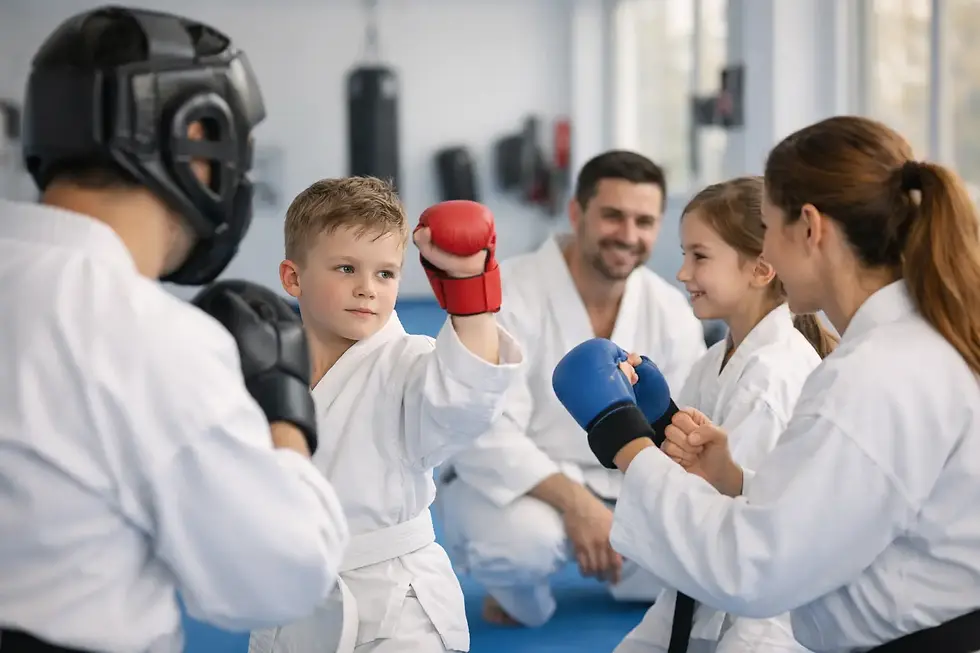
Children are under more pressure than adults sometimes realize. They are figuring out friendships, school expectations, social media, competition, and the feeling of being watched by their peers. A quality karate class gives them a structured environment where effort is noticed, progress is earned, and every student has room to improve.
Confidence grows when a child experiences themselves as capable. That may begin with learning a stance, remembering a sequence, or speaking loudly enough for an instructor to hear them. Over time, those small victories can carry into the classroom, a team activity, or a difficult conversation with a friend.
Focus is another benefit parents often see. Traditional martial arts ask students to pay attention to directions, control their body, and finish what they begin. This is not about demanding perfection. It is about teaching a child that concentration is a skill they can practice. A student who learns to reset after a missed step is practicing resilience, not just karate.
There is also the physical side. Kids need meaningful ways to move, especially after long school days spent sitting. Martial arts develops coordination, balance, flexibility, strength, and body awareness without requiring a child to already be athletic. Beginners belong in beginner classes. A supportive dojo meets children where they are and helps them build from there.
Parent Guide to Martial Arts: What to Look For
Not every martial arts program has the same priorities. Some schools are heavily tournament-focused. Others place most of their attention on fitness. Both can be worthwhile for the right family, but parents should ask whether the class environment matches the growth they want for their child.
Start by observing how instructors speak to students. Firm instruction is valuable. Children need clear standards, correction, and accountability. But discipline should never mean humiliation, intimidation, or making a child feel small. Look for instructors who correct with respect and who can challenge students while protecting their dignity.
Pay attention to the class culture, too. Are new students welcomed? Do more experienced students model patience? Does the instructor know children by name and notice when someone is discouraged? Your child does not need to be the loudest or most naturally coordinated student to deserve a place in the room.
A strong program also teaches practical self-protection with responsibility. Children should learn awareness, boundaries, verbal confidence, and when to seek help from a trusted adult. The goal is not to make a child fearful or encourage fighting. It is to help them understand that their body has value, their voice matters, and walking away can be a powerful choice.
Ask how the school handles promotion and belts. A belt should represent growth, attendance, effort, and learned skill. It should not be handed out so quickly that it loses meaning, nor should it become a source of pressure that makes children afraid to make mistakes. A healthy belt system gives students achievable goals while teaching patience.
Questions Worth Asking Before You Enroll
A free introductory class is often the best way to learn whether a dojo feels right. Before or after class, have a conversation with the instructor. You do not need to know karate terms to ask good questions.
Ask what a typical class includes and how beginners are introduced. Find out how instructors support shy children, energetic children, and students who need extra time to focus. Ask whether parents are welcome to watch, how progress is communicated, and what is expected at home between classes.
It also helps to ask what the school believes martial arts is for. Listen for answers that include character, safety, self-control, respect, fitness, and confidence. Competition can be exciting, but it should not be the only measure of success. A child who learns to stand taller, manage frustration, or resist peer pressure is making real progress.
Practical details matter as well. Consider class times, travel distance, monthly costs, uniform requirements, and the school’s policies around missed classes. The best program is one your family can attend consistently. Once-a-week training can be meaningful, but two classes per week may help some children build momentum faster. It depends on your child’s schedule, energy level, and readiness.
Helping Your Child Get Started Well
The first few weeks can feel big for a child. New routines, unfamiliar movements, and a room full of students may bring excitement or nerves. Let your child know they do not have to be good on day one. They only need to show up ready to learn.
Avoid tying their experience to instant results. Instead of asking, “Did you win?” or “Did you get everything right?” try asking what they practiced, what felt challenging, or what made them proud. These questions teach children to value effort and learning over comparison.
Consistency is one of the greatest gifts a parent can provide. Arriving on time, packing water, and treating class as a commitment sends a quiet but powerful message: your growth matters. At the same time, leave room for honest communication. If your child is struggling, speak with the instructor rather than assuming martial arts is not for them. A caring instructor may have simple ways to help them settle in.
Parents can reinforce class lessons at home without turning the living room into another dojo. Notice respectful language. Praise perseverance when homework feels difficult. Encourage a calm breath before reacting in frustration. When martial arts values become part of everyday family life, children see that discipline is not punishment. It is a way of caring for themselves and others.
Why Family Training Changes the Experience
When families train together, children see that growth is not only expected of them. They see parents try something new, work through awkward moments, and improve over time. That example can be more powerful than any speech about confidence.
Family martial arts can also create time that feels different from errands, screens, and crowded schedules. You share goals, celebrate milestones, and encourage one another. A parent may be building fitness and practical self-defense skills while their child is building focus and self-respect, yet both are learning persistence.
This is especially meaningful for women and girls. Self-defense instruction should be accessible to people of all ages and fitness levels, not reserved for those who already feel strong. Learning awareness, movement, boundaries, and practical responses can help women carry themselves with greater confidence in daily life. At The Blazing Dragon Karate Dojo, that work belongs within a family-centered community where women’s empowerment and children’s dignity are foundational.
Choose a Place That Sees the Whole Child
A martial arts school should not ask your child to become someone else before they can belong. The right class helps them grow into more of who they already are: capable, worthy of respect, and able to meet challenges with a steady mind.
Look for a place where discipline and encouragement stand together, where safety skills are taught responsibly, and where progress is measured in more than kicks and belts. Your child may come for karate, but they can leave each class carrying something that reaches far beyond the mat: the knowledge that they can keep trying, speak up, and stand tall.


Comments