


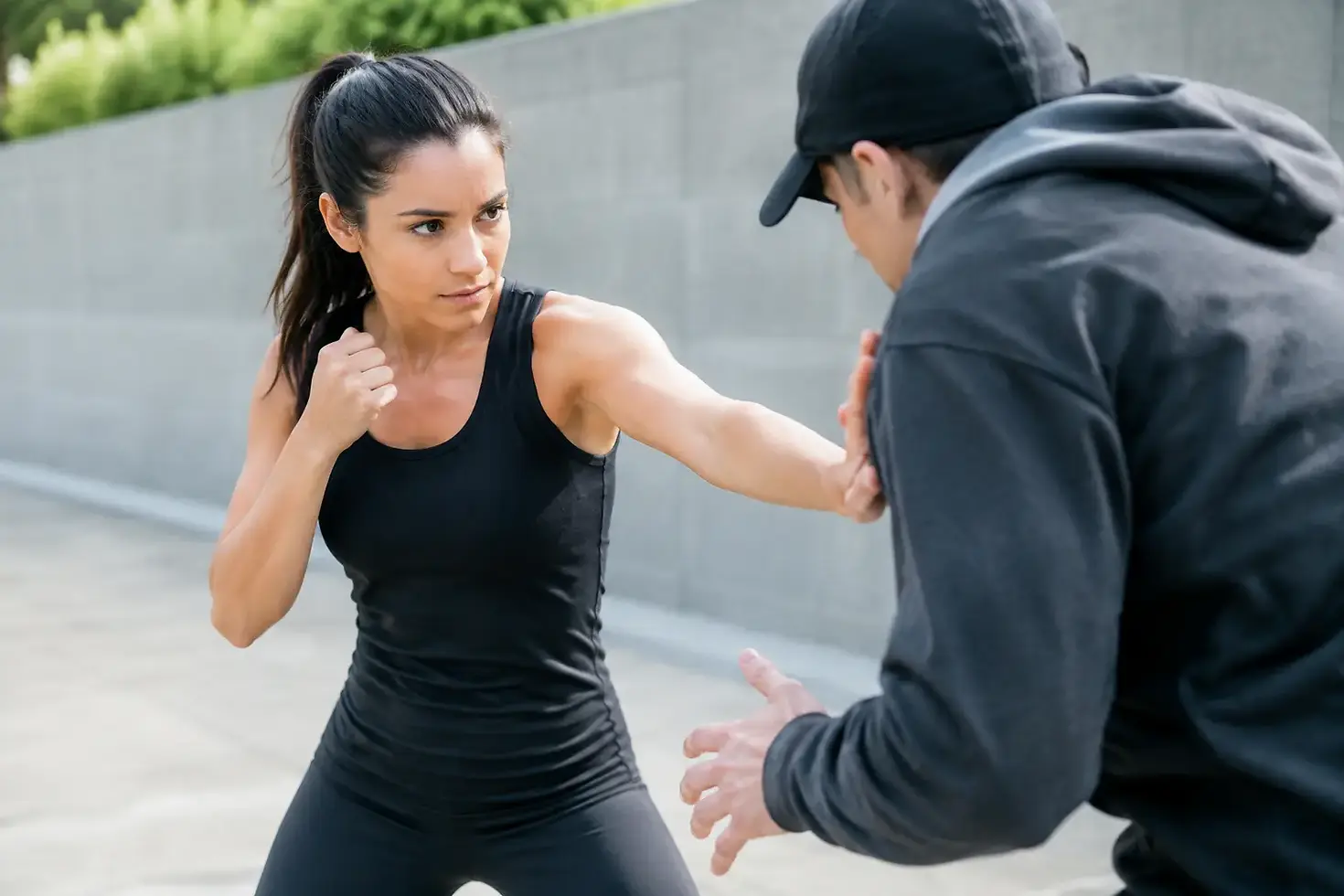
Women Self Defense Outcomes That Matter Most
A woman does not need to look for trouble to want a plan for it. She may be walking to her car after work, meeting someone for the first time, traveling alone, or simply wanting to feel less anxious in everyday spaces. The most meaningful women self defense outcomes are not about becoming fearless or winning a fight. They are about gaining practical choices, stronger awareness, and the confidence to act when something does not feel right.
At The Blazing Dragon Karate Dojo, we believe empowerment starts before a dangerous moment ever occurs. It grows through steady practice, honest instruction, physical conditioning, and a community that reminds every woman she deserves to take up space, set boundaries, and protect her peace.
What women self defense outcomes should look like
A good self-defense program does more than teach a few moves that are easy to forget under stress. It helps students build skills that carry into daily life: noticing warning signs, using their voice clearly, creating distance, and leaving a situation as soon as they safely can.
The goal is not to promise that training can control another person's choices. No class, technique, or safety habit can guarantee an outcome in every situation. What training can do is improve readiness. It gives women more options and helps replace panic with purposeful action.
For many beginners, the first change is mental. They begin to recognize that self-defense is not only physical. It includes trusting their instincts, declining unwanted attention, speaking firmly, and giving themselves permission to leave without explaining or apologizing.
Greater situational awareness
Awareness is one of the strongest forms of prevention. Women who train often become more observant without becoming consumed by fear. They learn to look up from their phones, notice entrances and exits, pay attention to who is nearby, and avoid getting boxed into isolated spaces.
This does not mean living on high alert every minute of the day. It means developing a calm habit of checking in with your surroundings. In a parking lot, for example, awareness may mean having your keys ready, scanning the area before stepping out of a store, and choosing a well-lit route to your vehicle.
Awareness also helps women recognize social pressure. Someone who ignores a clear no, pushes for private access, blocks a doorway, or tries to separate a person from friends is showing behavior worth taking seriously. Seeing those signals early creates more opportunities to step away.
Clearer boundaries and a stronger voice
Many women have been taught to soften their words to avoid seeming rude. Self-defense training challenges that lesson with care and respect. Personal safety matters more than protecting a stranger's comfort.
Students practice using direct language: “Stop.” “Back up.” “Do not touch me.” They learn how posture, eye contact, and volume can communicate that they are alert and willing to draw attention to a problem. A confident voice will not solve every situation, but it can interrupt unwanted behavior and attract help.
This confidence can reach far beyond personal safety. Women often find it easier to set boundaries at work, in relationships, with family, and in public. They become more comfortable saying no without turning it into a debate.
Physical skills that support escape
When physical contact cannot be avoided, self-defense training should focus on simple actions that work with natural movement. The priority is creating an opening to get away, not staying engaged to prove a point.
That may include learning how to maintain balance when someone grabs an arm, how to use body position to create space, how to protect the head, and how to break free from common holds. Repetition matters because stress changes how the body responds. A technique practiced once may be interesting. A skill practiced consistently has a better chance of being remembered when adrenaline is high.
Training also teaches a valuable truth: size matters sometimes, but it is not the whole story. A smaller person may not overpower a larger attacker, which is exactly why practical instruction emphasizes leverage, movement, targeting vulnerable areas when necessary, and getting to safety quickly. The best outcome is escape, followed by contacting emergency services and seeking support.
Better balance, conditioning, and coordination
Physical confidence is another important outcome. Women do not need to arrive in peak condition to begin training. They can start where they are.
Over time, regular martial arts practice can improve balance, coordination, mobility, stamina, and overall body awareness. These changes support self-defense, but they also make everyday life feel more capable. Carrying groceries, keeping up with children, climbing stairs, and moving with better posture can all feel easier when the body is trained consistently.
Fitness is not a requirement for dignity or safety. It is simply one more resource a woman can build for herself. Classes should meet students at their current level while still encouraging them to grow stronger.
Confidence without false promises
The most responsible women self defense outcomes include confidence, but not false confidence. A class should never suggest that one strike makes someone invincible or that danger can always be predicted. Real confidence comes from understanding both your abilities and your limits.
It means knowing when to avoid a situation, when to use your voice, when to move toward other people, and when physical action may be necessary to break free. It also means recognizing that freezing is a normal stress response, not a personal failure. Training gives the mind and body a chance to rehearse responses before a high-pressure moment.
A supportive environment matters here. Women should be able to ask questions, make mistakes, and practice at a pace that feels challenging without being humiliating. They should leave class feeling stronger, not intimidated.
Why consistent practice matters
A single workshop can introduce useful concepts, especially for women who have never had self-defense instruction. It can spark awareness and provide a few practical tools. But lasting change usually comes from continued practice.
Regular training builds muscle memory, fitness, and comfort with assertive movement. It also gives students time to work through uncertainty. The first time someone practices a loud verbal boundary or a release from a grab, it may feel awkward. With repetition, it becomes more natural.
Consistency also creates accountability. When women train alongside others in a respectful community, they are reminded that safety is not an individual burden they must carry alone. They can encourage one another, share knowledge, and grow in confidence together.
Choosing a class that respects your goals
Not every self-defense class has the same focus. Before enrolling, ask whether the instruction is designed for beginners, whether it addresses awareness and verbal boundaries, and whether students practice realistic escape-focused scenarios. Look for instructors who explain why a technique works, welcome questions, and prioritize safety during training.
It also helps to consider the environment. Some women want a women-centered setting where they can learn among peers. Others prefer family martial arts training that allows parents, teens, and children to build confidence together. Neither choice is better for everyone. The right fit is the place where you feel respected, challenged, and encouraged to return.
For families in Wylie and surrounding North Texas communities, self-defense can become part of a larger practice of confidence, discipline, and personal dignity. When children see the women in their lives train, speak with confidence, and value their own safety, they learn powerful lessons about respect and strength.
Your safety does not depend on becoming a different person. It can begin with one class, one boundary, one practiced response, and one decision to believe that your voice and well-being are worth protecting.


Comments